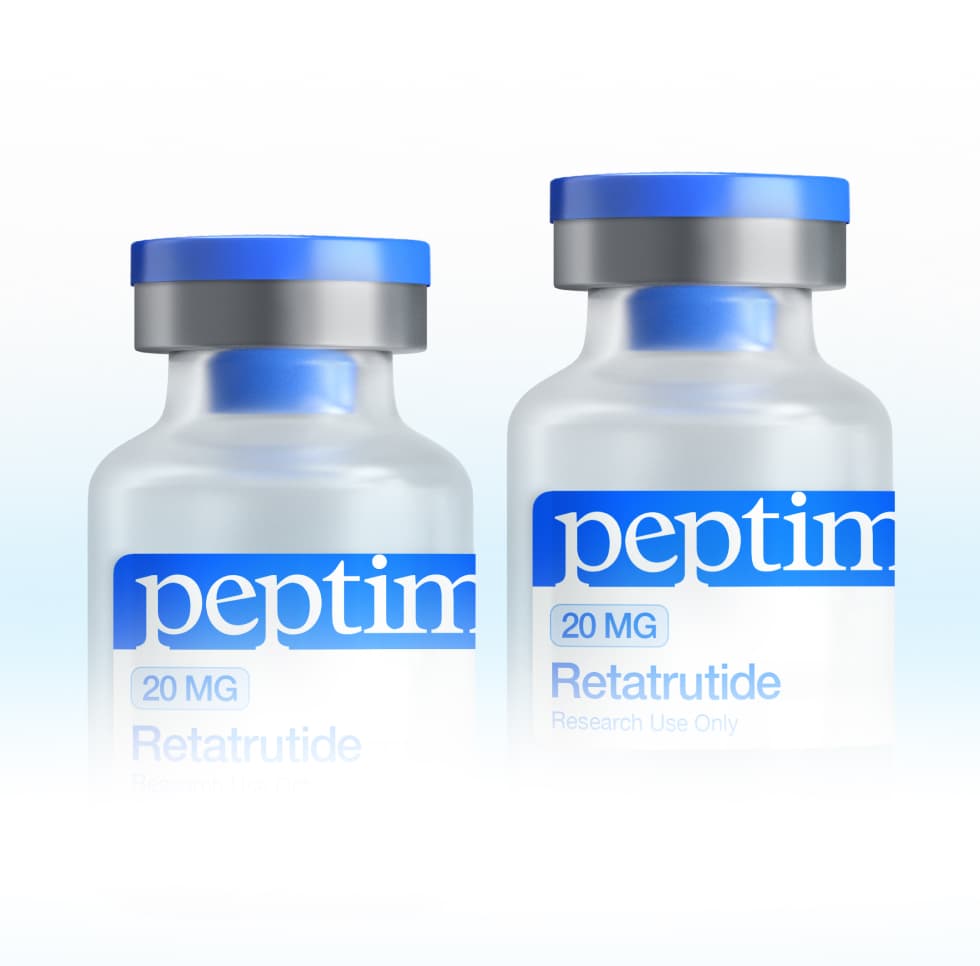
Peptide purity testing verifies that a peptide compound is free from harmful impurities and contains the correct active compound at the stated concentration. For anyone using research peptides, understanding how purity is measured, what Certificates of Analysis mean, and how to select a credible testing laboratory is essential for making informed decisions about product quality and safety.
Why Purity Matters
Peptide purity directly impacts both efficacy and safety. Impurities can originate from incomplete synthesis reactions, side reactions during manufacturing, degradation during storage, or contamination from solvents and reagents. These impurities may include truncated sequences, deletion peptides, amino acid modifications such as oxidation or deamidation, and residual coupling reagents. Impurities create several problems:- They reduce the effective concentration of active peptides
- Certain impurities, particularly from oxidation of methionine or cysteine residues, can alter biological activity or trigger unwanted immune responses
- Degradation products may have different pharmacological profiles than the parent compound, potentially causing unexpected effects
The FDA, EMA, and ICH have established comprehensive guidelines for peptide quality control in pharmaceutical applications, emphasizing the critical importance of purity testing throughout the product lifecycle. These standards are especially relevant when evaluating how to safely source peptides from research vendors.
Understanding Third-Party Testing
The most reliable third-party testing laboratories hold ISO/IEC 17025 accreditation, which is the international standard for testing and calibration laboratories. This accreditation demonstrates that a laboratory operates competently, generates valid results, and maintains proper quality assurance procedures.
When evaluating a Certificate of Analysis (COA), researchers should verify that the testing laboratory is accredited and that the document includes specific batch information, testing dates, and detailed methodology descriptions.Primary Testing Methods
High-Performance Liquid Chromatography (HPLC)
High-Performance Liquid Chromatography remains the cornerstone of peptide purity analysis. Reversed-phase HPLC (RP-HPLC) separates peptides based on their hydrophobicity, allowing quantification of the main peptide peak relative to impurity peaks. This technique can detect purity levels with high precision and is commonly used to establish purity percentages reported on COAs.
However, HPLC alone has limitations. While it excels at separating and quantifying components, it cannot definitively identify what those components are.Mass Spectrometry (MS)
Mass spectrometry determines the molecular weight of compounds with extreme accuracy, confirming that the peptide has the correct mass corresponding to its expected amino acid sequence. This is where MS fills the gap that HPLC cannot.
The combination of liquid chromatography with mass spectrometry (LC-MS) provides both separation and identification capabilities, making it the most comprehensive approach for peptide characterization. LC-MS can detect impurities, identify degradation products, and confirm peptide identity simultaneously.
Additional Testing Methods
Amino acid analysis determines the composition and ratio of amino acids in a peptide, verifying that the correct building blocks are present in appropriate proportions.
Capillary electrophoresis provides an alternative separation method based on charge-to-mass ratio, useful for detecting certain impurities that may co-elute in HPLC.
Endotoxin testing (LAL test) screens for bacterial endotoxins that could cause fever or inflammatory responses if present in injectable preparations.
Sterility testing confirms the absence of viable microorganisms in products intended for injection.
Reading a Certificate of Analysis
A legitimate COA should contain several key elements that allow verification of testing authenticity and results interpretation.
Essential COA components:
- Peptide name and molecular formula, should match the product ordered
- Batch or lot number, links the COA to a specific production run
- Testing dates, results from testing conducted years ago may not reflect current product quality
- Purity percentage, typically expressed as a percentage determined by HPLC, indicating the proportion of the target peptide relative to total detected compounds
- Mass spectrometry data, should show the observed molecular weight matching the theoretical molecular weight within acceptable tolerance (modern LC-MS/MS instruments achieve low-ppm accuracy; results reported only at ±0.1% suggest instrument limitations); significant deviations suggest incorrect identity or major modifications
- Testing laboratory name and contact information, should be clearly stated; legitimate COAs often include verification codes, QR codes, or database lookup options for independent confirmation
Purity standards by grade:
- Research-grade peptides: minimum 95% purity
- Pharmaceutical-grade peptides: typically exceed 98%
Common Impurities and Degradation Products
Understanding potential impurities helps researchers interpret testing results and assess product quality. Peptide-related impurities typically fall into several categories.
Synthesis-Related Impurities
Deletion peptides (missing one or more amino acids), insertion peptides (containing extra amino acids), and truncated sequences result from incomplete coupling reactions during manufacturing. These impurities should be minimized through proper synthesis protocols.
Degradation Products
Oxidation of methionine residues to methionine sulfoxide is particularly common and can significantly alter peptide activity. Deamidation of asparagine and glutamine residues occurs at neutral to alkaline pH, changing the peptide's charge and potentially its biological function. These degradation products form during storage or handling.
Aggregation
Peptide molecules can associate to form dimers, oligomers, or larger aggregates. These aggregates may have reduced activity or increased immunogenicity, representing a distinct stability concern separate from chemical degradation.
Process-Related Impurities
Residual solvents, coupling reagents, and protecting groups from synthesis may remain in the final product. While typically present at low levels, these should be controlled within established limits.
Selecting a Testing Laboratory
When seeking independent peptide testing, several factors should guide laboratory selection.
Accreditation status is paramount. ISO/IEC 17025 accreditation provides assurance of technical competence and quality management systems. This is the single most important criterion.
Turnaround time and cost vary considerably among laboratories. Basic HPLC purity testing may be completed within days at relatively modest cost, while comprehensive characterization including LC-MS, amino acid analysis, and sterility testing requires longer timeframes and greater investment.
Communication and reporting quality also merit consideration. The laboratory should provide clear, detailed reports that include methodology descriptions, acceptance criteria, and unambiguous results presentation.
Interpreting Results
Purity percentages require context for proper interpretation. A 98% purity result means approximately 2% of the sample consists of impurities, but the nature of those impurities matters greatly. Two percent of a closely related deletion peptide poses different concerns than two percent of a toxic synthesis byproduct.
Mass spectrometry results confirming correct molecular weight provide confidence in peptide identity but do not guarantee correct amino acid sequence. Isomeric amino acids (such as leucine and isoleucine) have identical masses and cannot be distinguished by MS alone.
Batch-to-batch variability is normal in peptide manufacturing. Results from one batch may not perfectly predict another batch's quality, which is why ongoing testing of new lots is advisable for critical applications.
Storage and Stability Considerations
Even high-purity peptides can degrade if improperly stored. Most peptides should be stored as lyophilized (freeze-dried) powder at -20°C or colder until reconstitution. Once reconstituted, peptide solutions typically require refrigeration and should be used within defined timeframes, often days to weeks depending on the specific peptide and storage conditions.
Factors accelerating degradation include:
- Elevated temperature
- Exposure to light
- Repeated freeze-thaw cycles
- Inappropriate pH
Reconstitution with bacteriostatic water containing preservatives can extend solution stability compared to sterile water alone. For guidance on traveling with peptides while maintaining cold chain integrity, see the traveling with peptides guide.
Retesting peptides after extended storage periods may be warranted, particularly for expensive or critical compounds. Degradation can occur even under proper storage conditions, and confirming continued purity provides assurance of product quality.
Conclusion
Third-party peptide purity testing represents an essential quality assurance measure for anyone using research peptides. The combination of HPLC for purity quantification and mass spectrometry for identity confirmation provides comprehensive characterization that vendor-supplied documentation alone cannot guarantee.
By understanding testing methodologies, properly interpreting Certificates of Analysis, and selecting accredited laboratories, researchers can make informed decisions about peptide quality and suitability for their intended applications. This is particularly important for compounds like BPC-157 and GHK-Cu, where product quality directly affects outcomes. As the peptide research field continues expanding, the importance of independent verification will only increase, making familiarity with testing principles valuable knowledge for all peptide users.